01
Technical SEO
Crawlability, indexing, site architecture, canonicalization, structured data, internal linking, performance and technical accessibility.
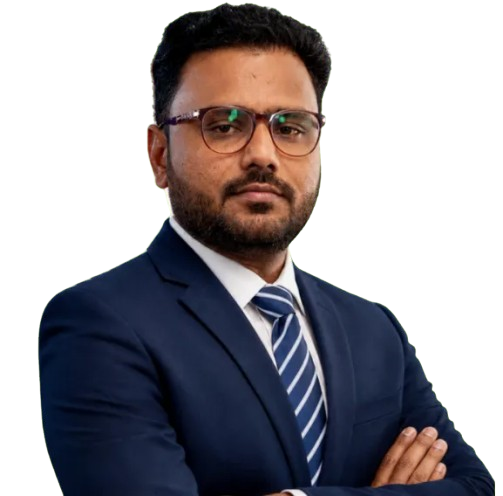
Imdad Malik is an SEO professional focused on technical SEO, semantic SEO, search intent, content strategy, entity optimization and emerging AI search experiences including Generative Engine Optimization and Answer Engine Optimization.
SEO strategy through iCreatixPRO Technology.
Modern SEO is broader than inserting keywords into pages. It requires understanding what people search for, why they search, how information connects, and how a website communicates its expertise.
I’m Imdad Malik, an SEO professional working across technical SEO, on-page SEO, content strategy, semantic SEO, local SEO, search intent and modern search visibility. My approach is centered on understanding the subject behind a query rather than treating every keyword as an isolated phrase.
For businesses researching an SEO expert in Pakistan, the right question is not simply how many keywords an SEO professional can target. A useful SEO strategy connects technical foundations, content quality, internal linking, entities, topical coverage and measurable search opportunities.
This same principle becomes increasingly relevant as search becomes more conversational. Searchers can now discover information through traditional results, answer-oriented interfaces and generative search experiences. A website therefore needs information architecture that is understandable to people and machines without sacrificing usefulness for the sake of optimization.
Different websites have different problems. SEO can involve technical fixes, content strategy, local visibility, authority development, semantic relationships or a combination of these areas.
Crawlability, indexing, site architecture, canonicalization, structured data, internal linking, performance and technical accessibility.
Titles, headings, content structure, search intent, internal links and page-level optimization aligned with the purpose of the query.
Useful content built around real questions, entities, topics and user needs rather than producing pages solely because a keyword has volume.
Connecting entities, concepts, subtopics and supporting pages to create clearer topical coverage and stronger information architecture.
Search strategies for businesses serving specific locations, including local intent, geographic relevance and locally useful content.
Search strategy for websites targeting audiences across markets, languages, countries and different search environments.
SEO adapted to an evolving search environment where conversational interfaces and generative systems increasingly influence discovery.
Generative Engine Optimization and related practices focused on clear, context-rich information for generative search experiences.
Answer Engine Optimization focused on concise, well-structured answers to questions people ask across search and conversational interfaces.
Semantic SEO helps a website communicate relationships between concepts instead of relying on isolated exact-match phrases.
Semantic SEO focuses on meaning, context and relationships. A page about an SEO consultant, for example, can naturally discuss technical SEO, keyword research, search intent, content optimization, internal linking, local SEO, analytics and strategy. Those concepts are not random keyword additions. They describe the broader subject.
Entity SEO takes this further by making important people, organizations, places, products and concepts easier to distinguish. For a personal SEO website, the central entity can be represented as Imdad Malik → SEO Expert → SEO Consultant → Pakistan → Technical SEO → Semantic SEO → AI SEO.
A strong topical structure can connect a central page with supporting resources covering technical SEO, local SEO, semantic SEO, AI search, content strategy, SEO audits, link building, e-commerce SEO and international SEO. Internal links then help users move from broad explanations to specific resources.
This creates a useful content ecosystem rather than a collection of disconnected pages. It also reduces the temptation to create thin pages for every minor keyword variation, especially variations such as “SEO expert Pakistan”, “Pakistan SEO expert” and “SEO expert in Pakistan” when the underlying intent is substantially the same.
Review the business model, audience, website structure, existing visibility, technical condition and commercial goals.
Separate informational, commercial, transactional and navigational needs before deciding which pages should target which topics.
Identify crawl, indexing, architecture, duplication, performance and internal linking issues that can limit organic discovery.
Create useful pillar and supporting pages that answer the questions surrounding a subject instead of repeating one keyword.
Strengthen credibility through useful content, relevant mentions, relationships, digital PR and appropriate authority-building activities.
Use search performance and user data to identify opportunities, improve important pages and refine the strategy over time.
AI-assisted search changes how people can discover information, but the fundamentals of useful, accessible and relevant web content remain important.
AI SEO is a broad term for adapting SEO strategy to search experiences that use artificial intelligence. It can include improving information clarity, building strong topical coverage, answering natural-language questions, strengthening entities and creating content that is useful beyond a single traditional search result.
Generative Engine Optimization (GEO) is commonly used to describe efforts to improve the visibility or usefulness of content within generative search experiences. A practical GEO strategy should not be reduced to inserting the phrase “GEO” into a page. It should focus on clear answers, factual support, contextual depth, recognizable entities, strong information architecture and content that genuinely helps the reader.
Answer Engine Optimization (AEO) emphasizes answering questions clearly. Good AEO content often benefits from descriptive headings, direct answers, supporting explanation, lists where appropriate, definitions and logical page structure.
LLM visibility refers broadly to how information about a business, person, topic or website may be represented within AI-powered language interfaces. There is no single universal “LLM ranking factor” or markup that guarantees citation. The practical approach is to publish useful information, maintain clear authorship, make pages accessible to crawlers, establish consistent entity information and earn legitimate external references.
Searches for an SEO expert in Pakistan, SEO consultant in Pakistan, SEO specialist Pakistan, SEO services Pakistan and SEO agency Pakistan can represent different intents. Some searchers want an individual consultant. Others are comparing service providers, learning about SEO or looking for help with a specific technical or content problem.
A useful evaluation should therefore consider the actual work involved: technical analysis, search intent research, content quality, site architecture, internal linking, reporting, communication, relevant experience and the ability to explain recommendations clearly.
Geographic terms such as SEO expert in Lahore, SEO expert in Islamabad, SEO expert in Karachi and SEO expert in Multan can also describe local demand. However, location should be supported by genuinely relevant local information rather than creating near-identical city pages.
For businesses targeting international audiences from Pakistan, the strategy can extend beyond local search into international SEO, multilingual content, technical international targeting, e-commerce SEO and industry-specific organic search.
Choosing an SEO professional is easier when the evaluation is based on the work, process and evidence rather than unsupported superlatives.
Finding topics, questions, entities and opportunities based on search intent rather than keyword volume alone.
Understanding whether people want information, comparison, a solution, a product, a service or a specific destination.
Connecting related pages so users and search systems can navigate the site's information architecture more effectively.
Developing comprehensive, useful coverage around a subject with logical relationships between pages.
Optimizing for geographic intent and local discovery where the business serves a defined area.
Improving product, category, faceted navigation, internal linking and commercial content for online stores.
Planning organic visibility across countries, languages and international markets.
Evaluating technical, content, indexing, architecture, internal linking and search opportunity issues.
Planning pages around audience needs, search intent, topical gaps and the business's actual expertise.
An SEO expert can work across technical SEO, keyword research, search intent, content optimization, internal linking, site architecture, local SEO, authority building and organic search analysis.
The terms overlap. An SEO consultant often emphasizes strategic advice, audits and recommendations, while an SEO specialist or expert may also be involved directly in implementation. The exact role depends on the professional and project.
Semantic SEO focuses on the meaning and relationships between topics, entities and concepts rather than relying only on exact keyword repetition.
AI SEO describes SEO practices adapted to an evolving search environment that includes AI-assisted and generative search experiences. Useful content, technical accessibility, clear information and relevance remain important foundations.
GEO commonly refers to Generative Engine Optimization or Generative Search Optimization. AEO commonly refers to Answer Engine Optimization. Both terms describe approaches for making information useful and understandable in answer-oriented or generative search experiences.
No responsible SEO strategy should guarantee a specific ranking or universal visibility across AI systems. Search results and AI responses depend on many changing factors, including relevance, competition, source availability, technical accessibility and system-specific retrieval.
SEO timelines vary significantly based on competition, website condition, content quality, authority, market and implementation. It is generally better treated as an ongoing process than a guaranteed short-term result.
Yes. SEO and related search optimization services are available through iCreatixPRO Technology. Visit the services page to review the available areas of support.
If you are evaluating your website's organic visibility, technical SEO, content strategy or AI search opportunities, start with a conversation about your goals and current search landscape.